
What I’ve Learned After Decades of Coaching Leaders
Why meaningful growth requires reflection, self-awareness, and the courage to change

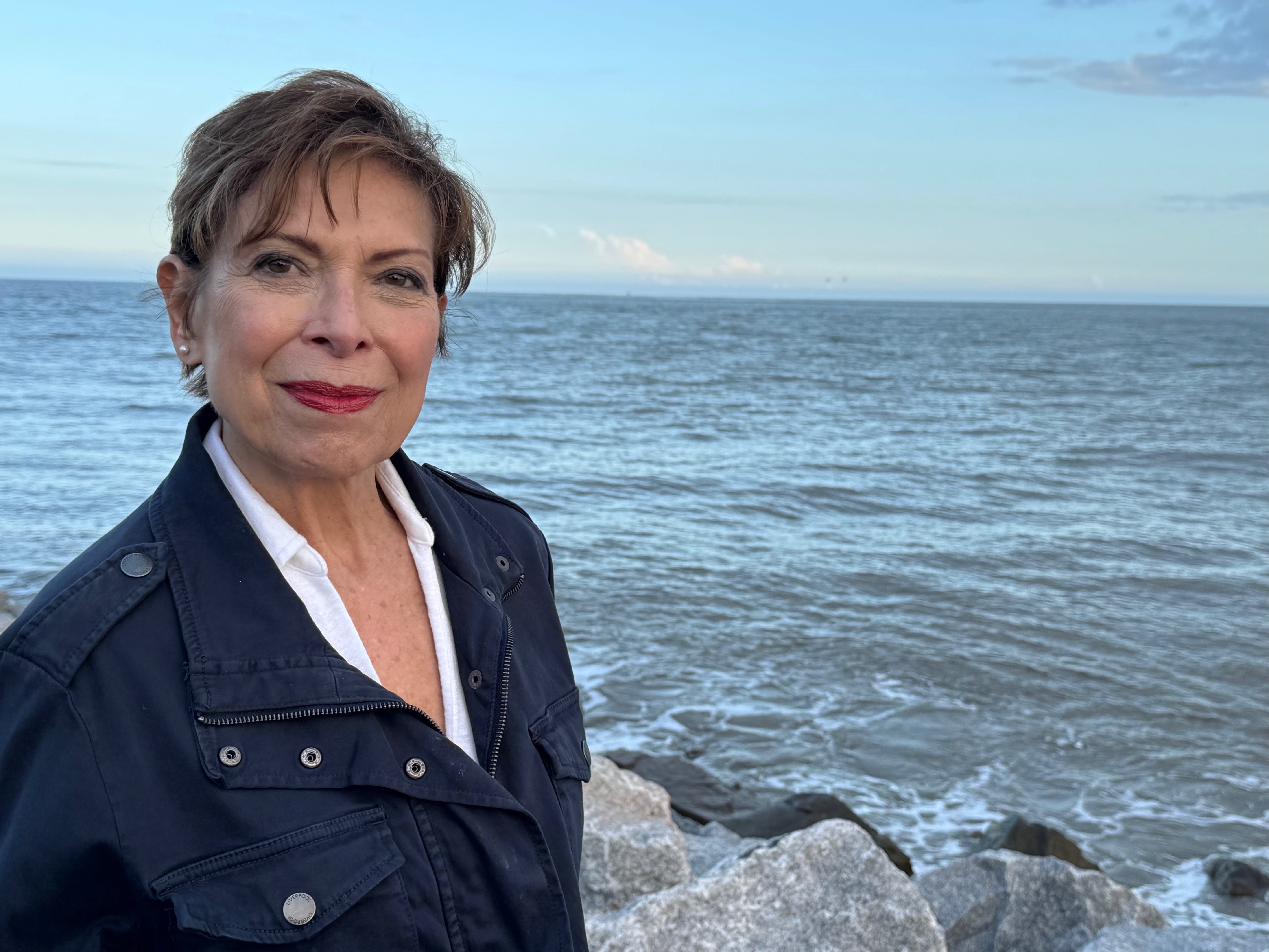
After years of coaching leaders, I’ve come to believe that most people do not need more pressure, another leadership concept, or one more inspirational TED Talk.
They need space to pause.
To reflect.
To tell themselves the truth.
And to invite trusted people around them who can help reveal what they cannot see alone.
Over the years, I have watched leaders make remarkable changes—not primarily by learning how to manage others better, but by becoming more self-aware, more relationally connected, and more open to feedback, support, and growth.
Leaders Change When They Become More Self-Aware
One company president, known for her sharp and reactive communication style, began examining her own history, stress patterns, and values more honestly. In her drive for results, she unintentionally eroded the confidence of those around her. At first, she resisted the feedback, insisting people simply needed “thicker skin.” But after losing several talented employees, she began to realize the greater change required was within herself, not merely within those she criticized.
She focused on one goal: changing how she responded to her team in difficult moments.
Over time, she learned to recognize what was happening internally during stressful interactions. She became more intentional about pausing, regulating her reactions, and acting from her values rather than from adrenaline.
That one internal shift transformed the culture of her senior leadership team into the most cohesive and productive in the company’s history.
Growth Often Requires Letting Go of Control
Another founder and CEO had invested deeply for years in coaching, therapy, leadership development, and peer advisory groups. Yet one piece of feedback continued to surface from trusted peers: begin building a real succession plan.
At first, he resisted. Like many founders, he unconsciously equated succession planning with becoming less relevant. But eventually, he began to understand that succession was not about diminishing his leadership. It was about strengthening the organization beyond his individual capacity.
As he listened more carefully to the wisdom of others, he began building a stronger executive infrastructure around himself. Instead of carrying every major responsibility personally, he focused on leveraging his greatest strengths while empowering leaders whose capabilities complemented his own.
The result was transformative.
The company expanded significantly. Key leaders developed greater ownership and accountability. The organization became healthier, more scalable, and less dependent on one individual.
Ironically, by releasing control in certain areas, he increased both his effectiveness and his influence.
Fear Narrows People
Another executive, whose family background had shaped him toward defensiveness and aggression, struggled to deliver feedback without creating fear. As he developed greater emotional self-awareness, he learned to separate old patterns from present reality and intentionally practice new ways of relating to people.
Over time, the culture around him changed dramatically. People became more honest. Accountability improved. Communication became healthier. Eventually, his division began outperforming every other area of the company.
Fear narrows people.
Self-awareness expands them.
The Work Beneath the Surface
Real growth begins with the willingness to take an honest look at yourself, your relationships, your leadership, and your life.
That kind of work often involves receiving meaningful feedback, recognizing recurring patterns, clarifying values, and examining both where you have been and where you truly want to go.
Most leaders genuinely want to improve, yet many stay so focused on external demands and performance that they rarely slow down long enough to examine what may be limiting them internally.
Too often people wait for a crisis before engaging this deeper work: burnout, a painful performance review, a business setback, or a personal loss.
But meaningful growth does not require a crisis.
It requires honesty, reflection, and the courage to become more intentional about the person you are becoming.
Years ago, I created Life As Art as a resource for my coaching clients because I realized people needed more than goals and action plans. They needed a structured process for looking back, looking ahead, and understanding themselves at a deeper level.

At its core, Life As Art is built around a few simple ideas: reflection before action, emotional intelligence as practical wisdom, and the belief that small consistent steps shape meaningful lives over time.
Before You Set Another Goal
What kind of life am I actually creating?
Am I moving with clarity or simply momentum?
Am I building a life that reflects what matters most?
What patterns do I need to understand before I try harder?
We do not create meaningful lives accidentally.
We create them slowly—through reflection, courage, attention, and the small daily choices that shape who we are becoming.
A New Website and an Old Truth
As part of this new season, I also recently launched a redesigned website. I’m especially grateful to Brandon, whose creative partnership and encouragement helped me shape both the new website and this updated version of Life As Art.
My hope is that both will serve as thoughtful resources for leaders and individuals who want to grow with greater intentionality, wisdom, and integrity.
I invite you to explore the new site, download the workbook, and perhaps consider one meaningful change you want to make in this next season of your life.