
What I Learned On My Summer Vacation
What have you learned?

Many years ago I coached the founder/president of a PR firm that specialized in “damage control” – probably a very different cultural climate in the 1990’s than it is now. Sam hired me to help him lead his team better and remove the roadblocks they kept running into.
I interviewed his 7 team members to find the source of the struggle, and the themes were clear fast: Sam’s leadership style created the chaos, stress, and exhaustion they were all drowning in. He was the main problem. Until that changed, nothing else could.
When I sat down with Sam to share what I’d found, I asked about his stress level and what he did to unwind. He couldn’t think of one thing. I found out he hadn’t taken a vacation in 5 years. Hadn’t missed a single day of work in all that time.
My prescription: take a vacation. Soon. At least 2 weeks. He was horrified. We settled on 1 full week – no email, no calls, the team fully in charge.
After he returned, I saw a new man. I also saw a new team.
If you’re honest, you may recognize a bit of Sam in yourself. I see it often – in leaders who’ve quietly decided that stepping away is a risk they can’t afford, without ever asking what staying is costing them.
Melanie was another version of the same story. She “had too much to do” and considered herself indispensable. When I recommended a weeklong leadership intensive, she was certain she couldn’t take the time off – even though she knew she needed it. When she finally agreed, at her boss’s urging, her plan was to check email every day from the summit. We went back and forth – no, you can’t do that. But then I’ll come back to a thousand emails... – until she landed on the real solution: someone else could triage her inbox while she was gone, and handle what was truly urgent.
Meeting with Melanie afterward felt just like meeting with Sam. Calm. Happy. A different person, seeing her life and work with new eyes. She was clear and confident. She saw the ways she’d been her own worst enemy, and she finally knew what boundaries to set to protect her well-being.
It struck me how therapeutic a real break can be – more than we tend to give it credit for. When we’re overwhelmed, our instinct is almost always to work harder, push through, do more. It’s rarely the right direction.
Little did I know I would have similar insights only 2 weeks later!
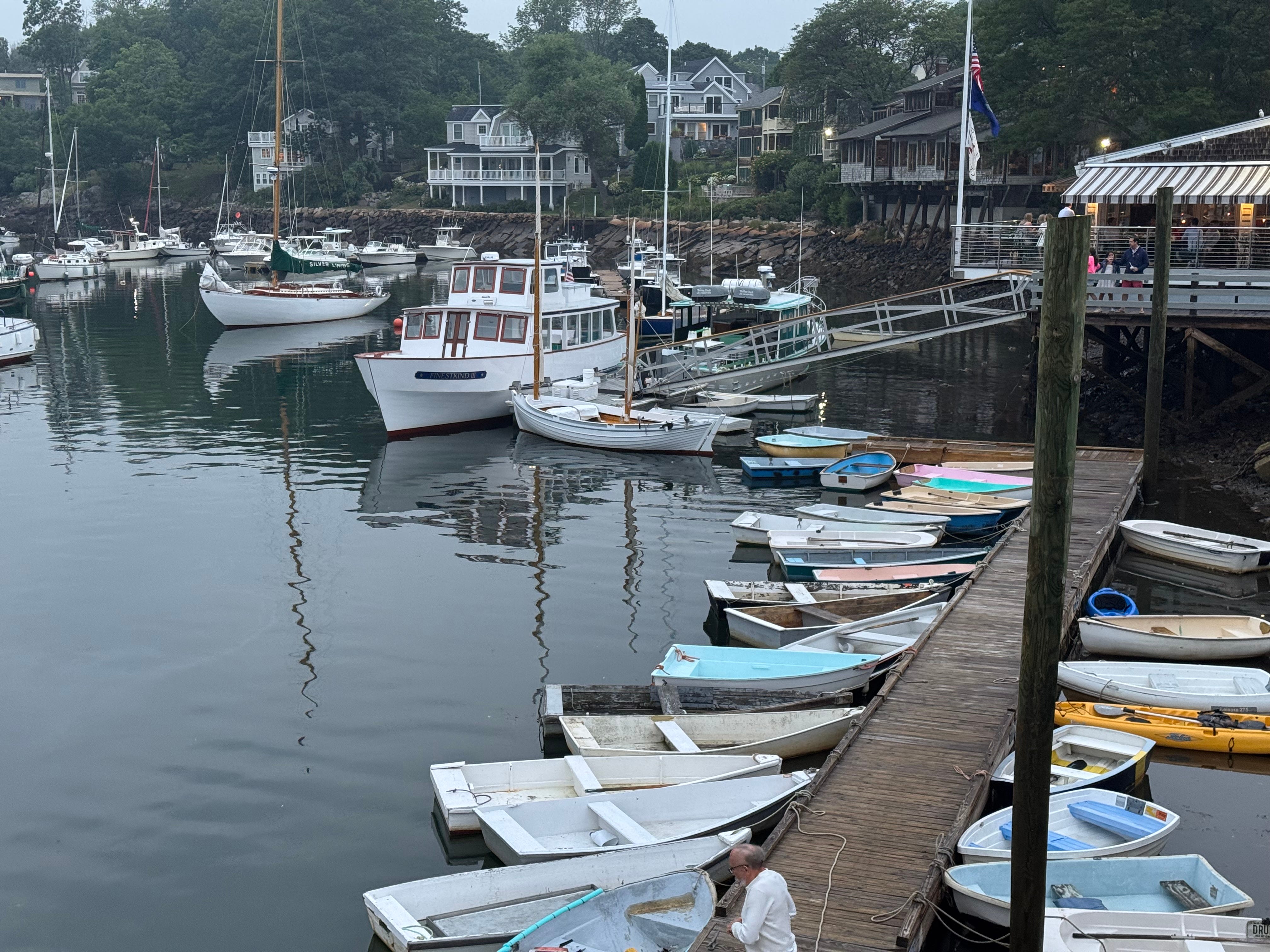
We recently returned from 10 days in Maine, and as I sat down to write this blog, I’ve been in the process of re-entry. Leaving is one kind of lesson. Coming home is another.
It’s the old idea – you can’t see the water you’re swimming in until you’re out of it. Away from my routine, life looked different. I came home happy, full of good memories. Then I sat down with the notepad of things to do, the projects I’d left behind, and felt the old weight settle back in. My packing list. Things to do before leaving. Things to remember once I got back. Exhausting.
Why did I think I needed all of that?
What I learned on my summer vacation: it’s time to prune.
I realized I had added commitments over the last 3 months and never let go of earlier ones. My life was feeling crushing.
The goal of pruning is not punishment, or eliminating what’s good, but choosing what is better for your current season. It’s increased fruitfulness we’re after.
I resigned from a volunteer role that others could do.
I gave up the self-imposed pressure to fit into my XS clothes – when S is good enough.
I decided to reduce how many people I reach out to on a regular basis, not to devalue relational connection, but to give others a chance to do their part.
The blessing of vacation time isn’t just the beautiful places and lovely memories. It’s the re-entry lessons. Don’t miss them.
For those grounded in faith, the invitation is an old and simple one:
“I am the true vine, and my Father is the gardener. He cuts off every branch in me that bears no fruit, while every branch that does bear fruit he prunes so that it will be even more fruitful.” — John 15:1-2
Leadership Reflection
In your time away, what surprised you?
What did you especially enjoy?
What part of yourself did you see with new eyes?
When you were on your way home, what anxieties cropped up?
In your first day or two back home, what insights are rising to the surface?
What parts of your life would benefit from pruning?