
January, Janus, and the Gift of New Beginnings
Designing Your Year with Purpose

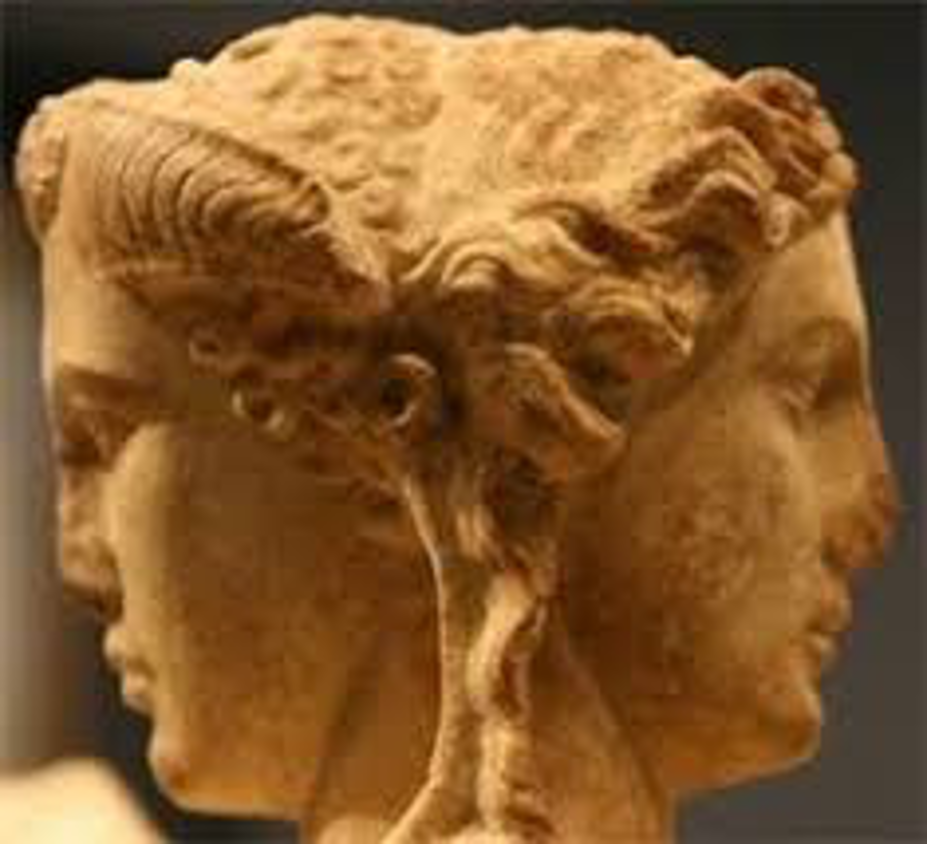
January is named for Janus, the Roman god of doorways, transitions, and new beginnings—often pictured with two faces: one looking backward and one looking forward.
Honestly… that feels about right.
One part of us is still trying to remember what day it is, and the other part is staring down the new year like, “Okay, Lord. Let’s do this. But gently.”
And while I love the energy of a fresh start, I’m not particularly interested in the traditional January ritual of declaring a dozen heroic New Year’s resolutions… only to abandon them somewhere around January 28th (right between “Whole30” and “Is this really worth it?”).
Instead, I’m inviting us into something more realistic—and far more powerful:
Intention.
Not the performative kind.
Not the guilt-driven kind.
Not the kind where you announce it to three friends and buy matching journals.
The kind that asks:
How do I want to be in the world this year?
What impact do I want to make—at work, in my family, in friendships, in my community?
What kind of person do I want to become?
Because with all the negative and heavy things happening around us—division, conflict, suffering, unpredictability—we need something solid to hold on to.
And here’s the truth:
We can’t control the world.
But we can control the one thing that remains stubbornly within our reach:
Our own choices. Our behavior. Our growth. Our love in action.
And that matters. More than ever.
New Growth Requires Looking Back (Yes, really!)
Before we decide where we’re going, it helps to look at where we’ve been—with honesty, humility, and a little courage.
That’s why I love the practice of an Annual Reflection.
Not the kind where you beat yourself up for everything you didn’t do.
More like a yearly “truth-telling” practice—a way of taking inventory of the past year with both gratitude and reality.
As a gift to you, I’m sharing a reflection tool from my Life as Art workbook: a 15-question Annual Reflection process that helps you look back over the last 12 months and name what was meaningful, what was difficult, and what’s calling you forward.
Here are a few of the prompts:
What did I accomplish this year that mattered?
What did I hope to do but didn’t?
What losses did I experience?
Where did I struggle, feel disappointed, or get off track?
What lessons did I learn?
What risks were worth it—and how did they benefit me or others?
This process does something important:
It helps us confront reality without shame.
It widens the lens so we can see our lives truthfully—our growth, our patterns, our progress, our pain… and the threads God has been weaving even when we didn’t notice.
And in case you need reassurance: reflection doesn’t mean reliving.
It means learning.
Naming the Themes: What Is Mine to Do Next?
Once we’ve looked back, we can look forward with clarity.
Where is God leading you this year?
What lights you up?
What do you feel drawn toward?
What do you sense you’re being invited into?
And just as important:
Where are you stuck?
Most of us already know the “growth zones” we’d like to tackle—health, career decisions, relationships, leadership, emotional maturity, spiritual rhythms, habits, courage, boundaries. (Also: bedtime. Why is sleep such a problem?)
But here’s the key question:
Do I trust myself to change this without support?
If your answer is, “I’m not sure,” that is not discouraging.
That is wisdom.
Because transformation rarely happens through pure willpower and good intentions.
It happens through:
clarity + commitment + support + steady action over time.
Sometimes we need a structure outside ourselves—a coach, a therapist, a group, a program, or simply a circle of people who are also trying to be brave and grow up in the best possible way.
A Simple Invitation
If this resonates, I invite you to download the Life as Art Annual Reflection (15 questions) and take an hour to complete it.
Do it by yourself with coffee and a cozy blanket.
Do it with your spouse.
Do it with a friend.
Do it with your team or small group.
Beyond that, I challenge you to follow the prompts through the rest of the workbook to examine the themes you see. From there, consider your purpose, your 3-5 year vision, and your most cherished values. The view from that broader context, will help you identify three stretch goals that make the most sense. Goals that are doable, focused, fun and inspiring. Not overwhelming, unrealistic or easily forgotten.
And if you want support beyond the worksheet, I’d love to come alongside you.
That might mean:
individual coaching
guiding you to set up a small circle of people sharing goals and encouragement (meeting monthly or quarterly)
or a custom support structure tailored to your season of life
You don’t have to design your year alone.
January is a doorway.
And you don’t have to walk through it with guilt, vague intentions, or unrealistic expectations.
You can step forward with vision, courage, and a plan that makes growth not only possible… but sustainable.
Wishing you a meaningful, grounded, hope-filled year ahead.
—Elaine
Here is the link to the Life As Art workbook.
Email me if you would like to talk about setting up the best support for yourself this year: elaine@elainemorris.com.